A Beautiful Way to Invest in Gold
A rare 19th-century Tiffany gold box shows how craftsmanship, history, and precious metal combine into a powerful investment.

A rare 19th-century Tiffany gold box shows how craftsmanship, history, and precious metal combine into a powerful investment.

We’ve paid five figures for what looked like scrap—including Fabergé, platinum beakers, and rhodium. Bring it all in. Not everything belongs on the scale.

Quartz watches are having a revival. This month, we feature rare heavy-gold pieces from Rolex, Omega, and Eterna—once scoffed at, now collector-worthy.

Today we showcase a few horse racing
collectibles. Horse racing motifs hold a special place in the collecting world. Steeplechase buggy racing and iconic Derby themes are highly sought after but also deeply woven into the fabric of our cultural heritage. The sport occupies our
hearts, minds and heritage.

People often ask me what I collect. The answer? Everything. Not really, but my collecting habit is what originally got me into this. Today, my collection consists of things that we overpaid on and things
that may have a bit of damage.

Perhaps you have heard of the expression, “keeping your powder dry.” While it was important to keep your matches dry in the 1800s, match safes, also known as vesta cases (things often worn on chains and kept in vests or pockets), were indispensable accessories from the
mid-19th century to the early 20th century.

I thought we would share some cool things from last week’s Hess Fine Art auction. Instead of boasting about the rare Patek that brought $40,000
or the rare mid-century print that brought $50,000, we thought it might be more interesting to share
some less valuable but still cool items of interest.
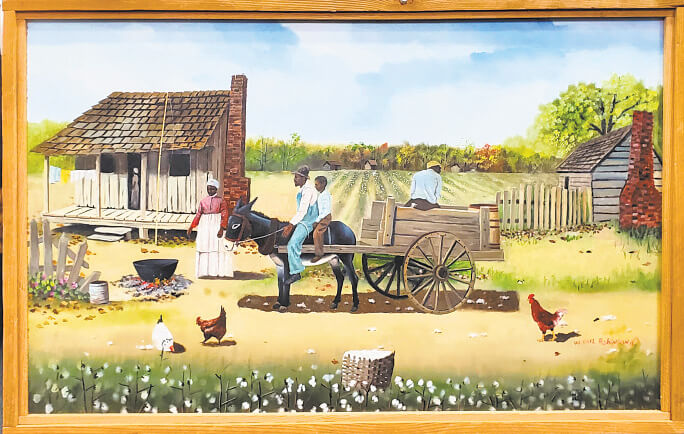
We will be featuring an unpretentious painting by Willie Earl Robinson in our worldwide auction
next month. We purchased it for $600. We’ve estimated it at a modest $700 to $1,000.

Jewelry depicting people of color has long been collectible. In the 19th century, Americans of color were
depicted in postcards, toys and other controversial in a disrespectful way.
Jewelry depicting “Moors” was often
done in a more dignified manner.

We have written a lot about the importance of provenance (proof or history of a piece) when evaluating or selling fine antiques. This month, a Beverly Hills jeweler reached out to us to sell a necklace that had been sitting in his safe for many years. It is an exquisite Edwardian-era sapphire necklace of exceptional quality;
they hope our wide audience will find a buyer for it.