The value of Japanese prints is widely based on factors such as the artist’s age, subject matter, style, and condition of the print. Prints bought during World War II might indeed have lower value if they are common or in poor condition, but some prints can still fetch high prices if they were the work of renowned artists or are particularly detailed or well executed.
The artist’s name is often one of the most crucial factors determining the value of a Japanese print. The works of artists such as Hokusai, Hiroshige and Utamaro are highly sought after, and can command significant prices.
Additionally, the venue of sale can also impact the perceived value of a Japanese print. The value of Japanese prints varies from $10 to $100,000 depending on the artist and the age of the print. Most were bought during World War II and have little value; some are incredibly detailed and bring a lot of money.
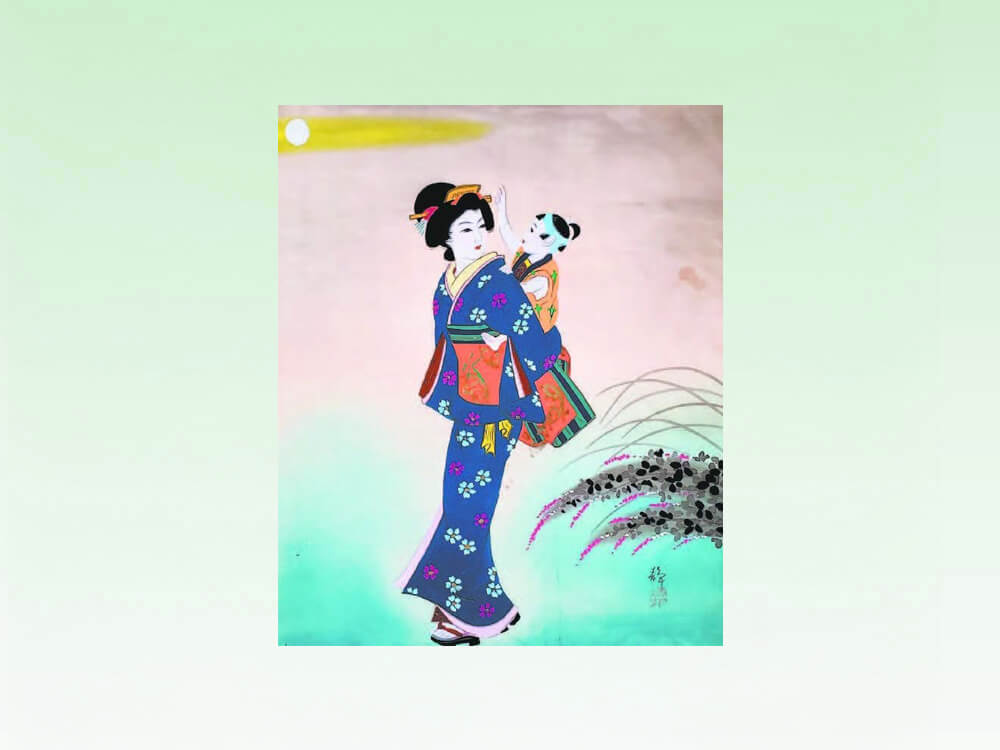
Auction records of prices are small in eBay auctions (from $10 to $100), but finer older expensive goods need a wider audience and this is where Hess Fine Auctions comes into play with a worldwide audience for serious buyers. We’ve seen rare centuries-old Japanese prints routinely bring thousands of dollars, and on rare occasions up to $100,000.
Subject matter, style, and most importantly, condition and artist’s name determine the value.
Bring them in, or send us a detailed photo. Or we can meet you at your home, bank or attorney’s office to discuss.
It takes an expert, and you have a nationwide expert right here in Tampa Bay.
We love all Asian antiques!